Closing the HealthEquity Gap

    Empowering BIPOC and low-income communities with access to dignified, culturally responsive reproductive health care for PCOS and fibroids.

    3x
    Higher fibroid risk for Black women
    56% vs 38%
    Anemia rate for Black vs white women with fibroids
    ~4 years
    Earlier average age at fibroid diagnosis for Black women
    1 in 3
    Women with PCOS wait 2+ years for diagnosis

    Test Your Knowledge

    Discover shocking facts about PCOS and fibroids

    What percentage of women with PCOS go undiagnosed?

    Fibroids are about 3 times more common in Black women than white women.

    Our Approach

    We take a community-centered, justice-driven approach to transforming care for those affected by PCOS and fibroids, especially BIPOC and low-income individuals.

    Closing the Diagnosis Gap

    Community-based health navigation and physician training to shorten the PCOS diagnostic wait — one in three women waits more than two years and sees three or more clinicians before diagnosis.

    • Peer-led support
    • Symptom tracking tools
    • Provider training

    SheSpeaks Research Equity

    Community-led research centering BIPOC experiences to fill critical gaps in PCOS and fibroid studies.

    • Participatory research
    • BIPOC researcher training
    • Data justice

    Womb Wellness Project

    Nutrition education and food access support using culturally relevant, hormone-supportive approaches.

    • Anti-inflammatory nutrition
    • Food access support
    • Community healing kitchens

    Flow Without Fear

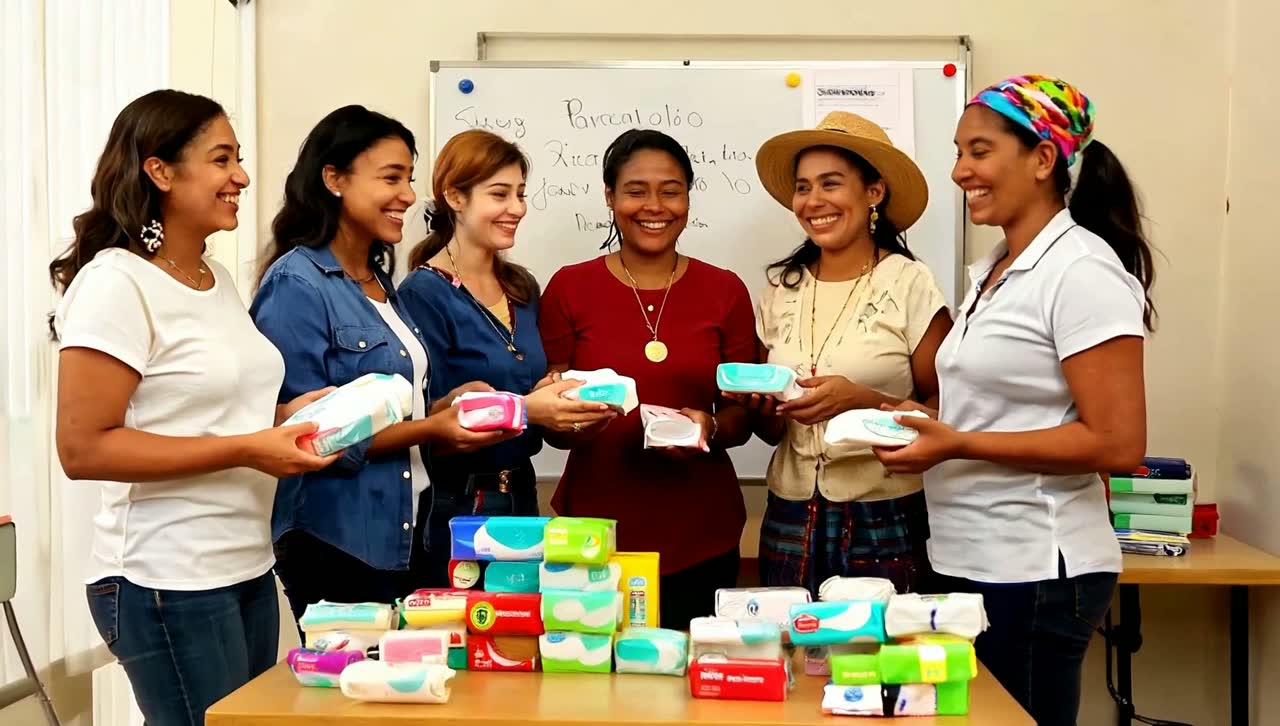
    Ending period poverty through free menstrual products, education, and policy advocacy.

    • Free menstrual products
    • Menstrual equity workshops
    • Policy advocacy

    Pathways to Parenthood

    Expanding fertility access for BIPOC and low-income women affected by PCOS and fibroids.

    • Affordable fertility care
    • Early detection
    • Whole-person approach

    Community Voice in Policy

    Amplifying patient experiences to drive legislative change and institutional reform.

    • Policy labs
    • Storytelling campaigns
    • Research advocacy
    Flow Without Fear Program

    Free Period Kits for Maricopa & Pima County

    No one should miss school, work, or dignity because of a period. Through our Flow Without Fear program, we deliver a free 5-day period kit — pads, tampons, liners, wipes, ibuprofen, a heating pad, period health info card, and more — straight to those who need it. Submit an inquiry and we'll respond within 2 hours.

    What's in the kit

    Pads, tampons, panty liners, feminine wipes, ibuprofen, face mask/pimple patches, a heating pad, and a period health info card — enough for 5 days.

    Request a free kit
    The Keza Project

    Meet Keza — the wise older sister your body has been waiting for

    Keza is OneInEvery10's evidence-first health intelligence app for the one in every ten women living inside a body the textbooks skipped. She listens to your whole body, connects the dots across your symptoms, and cites the research behind every insight.

    Not a period app

    Keza listens to the whole body — cycle, HS flares, sleep, stress, food, mood, meds, and perimenopause — not just bleeding.

    Peer-reviewed citations

    Every insight is grounded in research you can read for yourself. Nothing invented, nothing inflated.

    Doctor's Corner brief

    Turns your logs into a print-ready summary so appointments stop being a guessing game.

    Your data stays yours

    Keza never sells your data — not to advertisers, not to insurers. Ever. Export or delete anytime.

    Free. Installable on any phone from keza.oneinevery10.org — no app store required.

    Featured Articles

    Expert Insights & Research

    Evidence-based articles to empower your health journey

    PCOS Types
    7 min read

    The Four PCOS Phenotypes: Understanding Your Type for Better Treatment

    One in Every 10 Editorial Team
    December 12, 2024

    PCOS isn't one-size-fits-all - there are four distinct phenotypes that require different treatment approaches. Understanding your specific phenotype can help you and your clinician tailor a more effective care plan.

    Read Full Article
    Fibroid Treatment
    20 min read

    Complete Fibroid Treatment Guide: Non-Invasive & Minimally Invasive Options

    One in Every 10 Editorial Team
    December 14, 2024

    Discover cutting-edge non-invasive fibroid treatments including UFE, radiofrequency ablation, and focused ultrasound. Learn about medications like Myfembree and natural approaches that can help you avoid surgery.

    Read Full Article

    How much funding does PCOS research receive annually?

    Partner with One in Every 10

    Join us in advancing reproductive health equity. Together, we can create meaningful change and support underserved communities affected by PCOS and uterine fibroids.

    Collaborative Impact

    Work with healthcare organizations, nonprofits, and community groups to expand our reach and effectiveness.

    Free Consultation

    Schedule a no-cost meeting to explore partnership opportunities and discuss how we can work together.

    Schedule Partnership Meeting

    No commitment required • 100% free consultation

    How long do many women wait for a PCOS diagnosis?

    Sources & References

    Every statistic on this page is drawn from the peer-reviewed literature or federal public health data. Follow any link to read the original source.

    1. Racial and Ethnic Differences in the Pathogenesis and Clinical Manifestations of Uterine LeiomyomaCatherino WH, Eltoukhi HM, Al-Hendy A • Seminars in Reproductive Medicine2013 • Fibroid prevalence is roughly three times higher among women of African ancestry
    2. Uterine leiomyomas: racial differences in severity, symptoms and age at diagnosisKjerulff KH, Langenberg P, Seidman JD, Stolley PD, Guzinski GM • The Journal of Reproductive Medicine1996 • Mean age at diagnosis 37.5 years for Black women vs 41.6 for white women; anemia in 56% vs 38%
    3. Delayed diagnosis and a lack of information associated with dissatisfaction in women with polycystic ovary syndromeGibson-Helm M, Teede H, Dunaif A, Dokras A • The Journal of Clinical Endocrinology & Metabolism2017 • One-third of respondents waited more than two years and saw three or more clinicians before diagnosis
    4. Polycystic ovary syndrome — fact sheetWorld Health Organization2025 • PCOS affects an estimated 8–13% of women of reproductive age; up to 70% are undiagnosed worldwide
    5. NIH RePORTER — federally funded research project databaseU.S. National Institutes of Health2024 • FY2023 awards: ~$33M across 87 PCOS projects; ~$31M across 47 uterine fibroid projects